Cat Life
A Senior Pet Comfort Checklist: Small Home Changes for Older Dogs and Cats
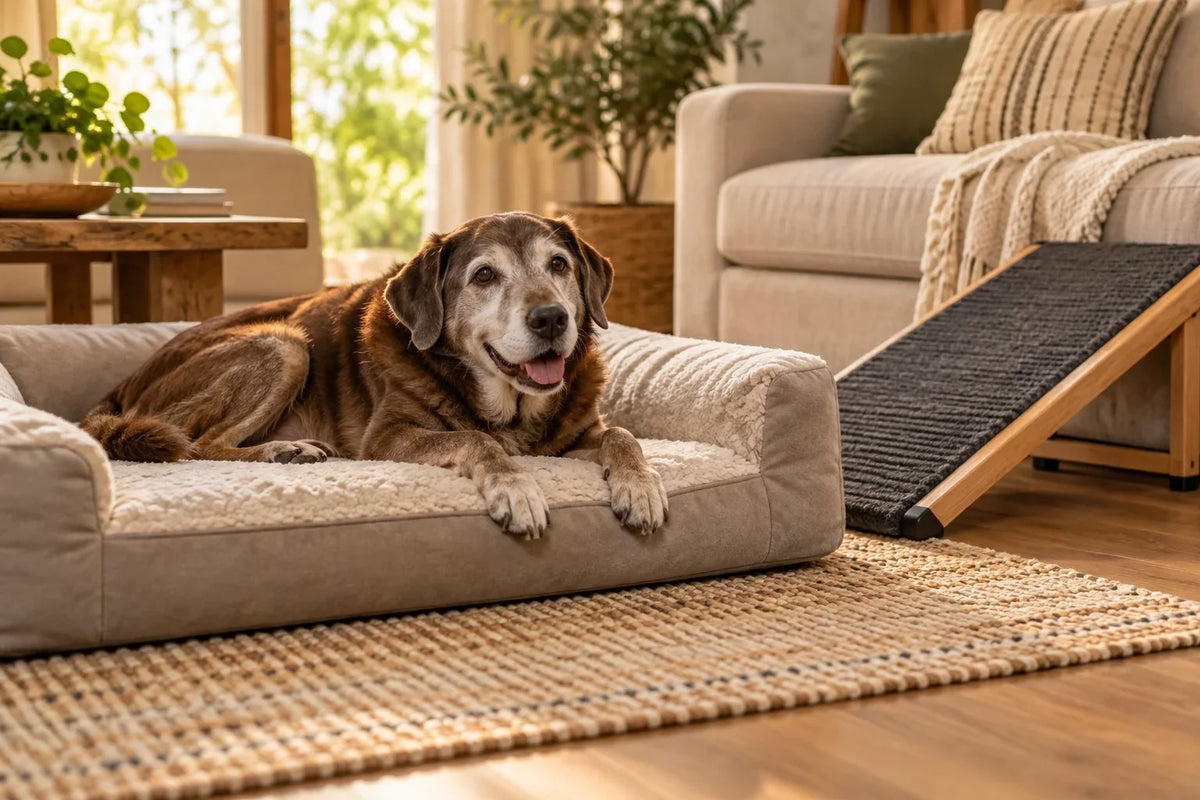
An older pet may still love the same home but find parts of it harder to use. The floor between the bed and the bowl, the step into a favourite room or the route to a resting place can matter more than another big adventure.
Start with the routes your pet uses every day and discuss changes with your veterinarian. A comfort checklist can help you organise observations. It cannot diagnose pain or explain a change simply as age.
Notice changes before rearranging the house
AAHA senior-care guidance notes that subtle movement and behaviour changes may reflect pain rather than normal ageing. Short videos of ordinary movement can help a veterinary discussion. Ask your clinic what they would like you to record.
Write a description: “Hesitates at this doorway,” “Uses a different resting spot” or “No longer takes the usual route.” If filming, let your pet move normally. Do not make them repeat a difficult action just for a clearer recording.
Walk the main route through your home
Choose one ordinary journey: bed to water, living room to garden, or resting spot to litter facilities. Look at the route without asking your pet to demonstrate it. Then make a list of questions:
- Is there a slippery section or a loose rug?
- Does the route require a step, jump or tight turn?
- Is the doorway clear?
- Can a person or another animal block the way?
- Is there a comfortable stopping place nearby?
AAHA discusses home modifications such as better footing, suitable resting areas, appropriate ramps and accessible litter facilities. The right choice depends on the animal; ask your vet about suitability and safe setup rather than adding equipment indiscriminately.
A room-by-room worksheet
| Place | Observation | Question for the vet or household |
|---|---|---|
| Resting area | Where your pet chooses to settle | Can we make that spot easier to reach? |
| Main walkway | Floor surface and obstacles | What would improve safe footing here? |
| Food and water | How your pet approaches the area | Is the setup appropriate for this pet? |
| Toileting route | Steps, distance or entry height | What access change should we discuss? |
| Night-time route | Familiarity and possible hazards | Would a clearer route be helpful? |
Use one row at a time. A small, useful improvement is better than a complete room makeover your pet has not had time to explore.
Keep familiar comforts available
Ask your household what should stay predictable: the resting corner, the calm greeting, or the time when the room is usually quiet. Tell visitors which spaces your pet uses for rest. Keep a simple note where another caregiver can find it.
A senior-friendly day can still contain a satisfying memory. The senior dog activity guide offers gentle ideas. Choose with your pet’s current care plan and preferences in mind, and stop when they need a break.
What should you record for the next appointment?
Bring observations and dates rather than a self-made pain score. Useful questions include: “Could this change need assessment?”, “Which home changes would you recommend?” and “What activity should we adapt?” Medication and treatment decisions belong with the veterinary team.
For the personal story, keep a different page: one photograph of a comfortable moment and what made it familiar. Your Pet Memory is an optional interactive HTML and printable-PDF keepsake for photos and stories. It does not measure comfort, predict lifespan or replace clinical records.
Frequently asked questions
Is slowing down always normal ageing?
No. A change can have several causes. Discuss it with your vet rather than assuming there is nothing to address.
Should I buy a ramp straight away?
Ask whether it suits your pet and the location. Stability, fit and a safe introduction matter; a ramp is not automatically the best solution.
Can older cats use this checklist?
Yes, as a home-review worksheet. Focus on your own cat’s routes and favourite places, and get veterinary advice about individual needs.
General information from the Your Pet Memory editorial team. Sources checked October 13, 2026; not veterinary diagnosis or treatment advice.