Cat Life
A Daily Pet Care Checklist for Dogs and Cats: Care, Comfort and Connection
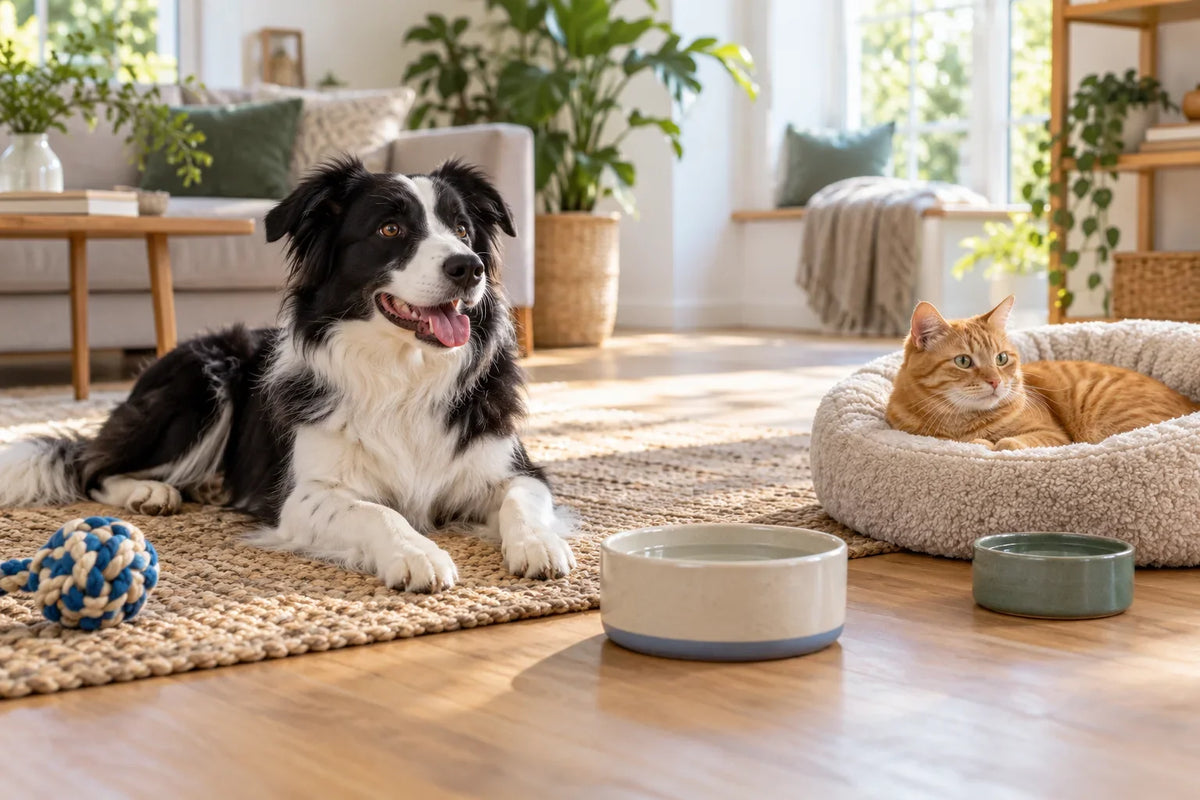
Good pet care is often ordinary: the clean bowl, the familiar resting place, the person who notices a change. A checklist can make those small jobs easier to share without turning life with your dog or cat into a performance.
Build the checklist around your pet’s existing veterinary care plan and normal routine. Food, exercise and treatment needs vary. This template helps your household organise care; it does not prescribe portions, medication or a universal number of walks.
Start with your pet’s own care instructions
The AVMA pet-care resources recommend getting reliable care information from your veterinary team. Keep their instructions in an accessible place, including emergency contact details. If someone helps at home, make sure they know where that information is.
Write “follow the feeding plan beside the food cupboard” rather than copying generic serving advice. For medication, use the veterinarian’s exact instructions and a clear household record to avoid missed or repeated doses.
A copyable daily care checklist
| Check | What to record |
|---|---|
| Food and water | Meals according to the individual plan; water checked; any change noted |
| Toileting | Usual opportunities or clean facilities; changes to raise with the clinic |
| Rest and comfort | A familiar place available; access clear; interruptions reduced |
| Movement and enrichment | An appropriate activity offered; your pet’s response noticed |
| Care already prescribed | Who completed the task and when, using the existing instructions |
| Connection | A calm invitation for company, with room to decline |
| Handover | One fact the next caregiver needs to know |
You can copy this into a notebook. Add your pet’s name, the date and the person responsible. Leave out tasks that do not apply; add tasks your veterinarian has specifically recommended.
Morning: make responsibilities obvious
Decide who handles the first care tasks before the household gets busy. A shared note can prevent two people feeding the same breakfast or both assuming someone else has done it. Use “completed at 8:00 by Sam” rather than a vague tick that no one can explain.
Keep the handover short. “Meal eaten as usual; water refreshed; resting in the study” tells the next person more than “all fine.” If something has changed, write the specific observation and contact the veterinary clinic when needed.
During the day: care includes choices
Dogs and cats need opportunities appropriate to their species and individual needs. The RSPCA’s dog home guide and cat home guide are useful starting points for reviewing space and comfort.
Ask which activity your pet actually chooses. A familiar game, time to explore at their pace or quiet company may be a better fit than an ambitious outing. Our dog happiness guide discusses observations, while the indoor-cat comfort checklist reviews the home.
Evening: note a change and one good detail
Make separate spaces for care observations and memories. A care note might be a question for the vet. A memory note might be “You waited beside the kitchen door while we cooked.” Neither needs to become an essay.
If you want a longer-term record of your shared moments, Your Pet Memory includes guided activities, photo uploads and storytelling fields in an interactive HTML experience, plus a separate printable PDF. It is a memory product, not a medical record system.
What needs professional advice?
A new or concerning change in eating, drinking, toileting, movement or behaviour deserves a call to your veterinary clinic. Ask them about urgency. Do not use a completed checklist as proof that your pet is healthy.
Frequently asked questions
Does every pet need the same routine?
No. Adapt it to species, age, health and individual preferences with advice from your vet.
How do I share care with a pet sitter?
Give them the actual care instructions, emergency contacts and a clear handover note. Ask them to confirm they understand rather than relying on a generic checklist.
Do I need an app?
No. A visible paper sheet or shared note can work. Choose the method your household will consistently use.
Organisation template from the Your Pet Memory editorial team; not a veterinary treatment plan. Sources checked October 13, 2026.