Dog Behavior
How to Tell If Your Dog Is Happy: 12 Signs of a Content Dog
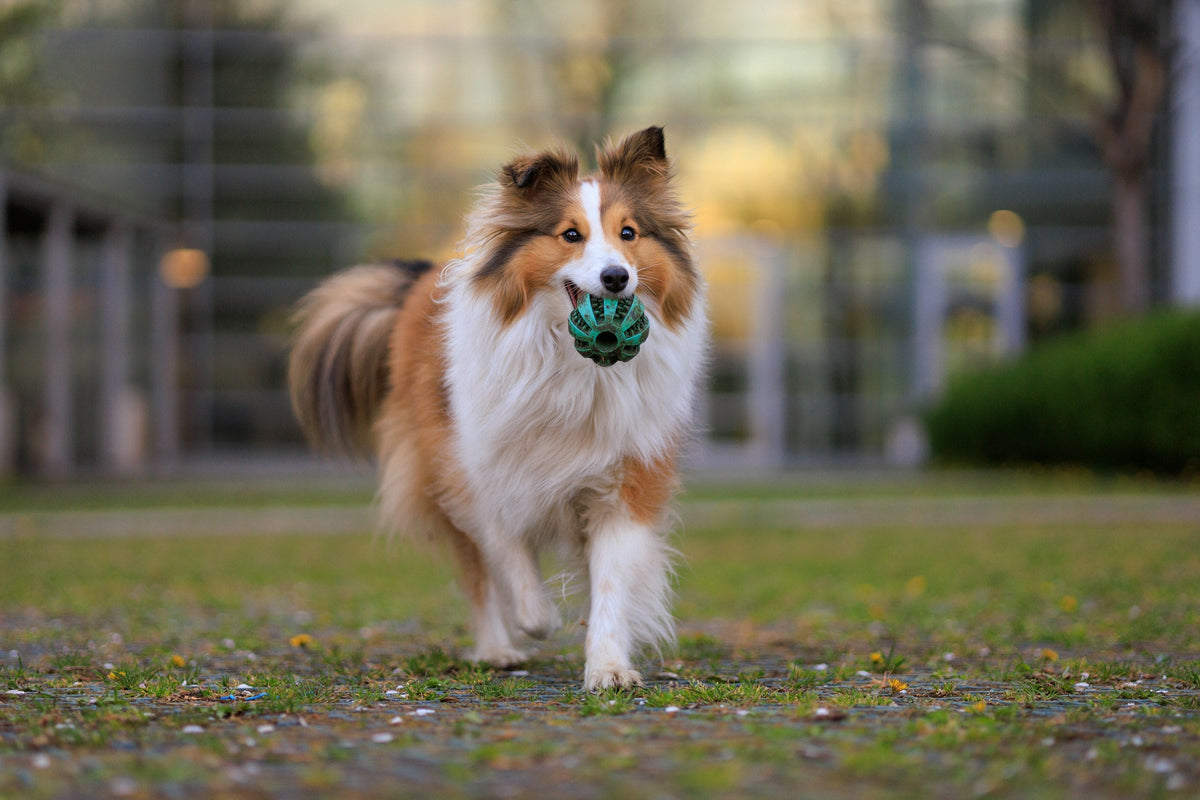
Quick answer: A happy dog usually has a loose, wiggly body, soft eyes, a relaxed open mouth, a tail that wags at mid-height, a good appetite, healthy sleep, and interest in play and in you. The best clue is your own dog’s “normal”: when they’re eating, playing, resting and greeting you the way they always do, they’re very likely content.
Dogs can’t tell us they’re happy, but they show it constantly — in their posture, their face and their daily habits. Once you know what to look for, you’ll see it everywhere.
12 signs your dog is happy
Body language signs
- A loose, wiggly body. Relaxed muscles, curvy movement, often a whole-body wag when greeting you.
- Soft eyes. Relaxed lids, normal blinking, no visible “whites” of the eye.
- A relaxed, open mouth. Often described as a dog “smile,” with the tongue loose.
- Natural ear position. Not pinned back, not rigidly forward.
- A mid-height, sweeping wag. Tail height varies by breed, but a loose wag at their natural height is a good sign.
- The play bow. Front end down, back end up: an unmistakable invitation to play.
- Belly-up lounging. Sleeping on their back or sprawled out shows a dog who feels safe.
Behavior signs
- A healthy appetite and interest in food and treats.
- Good, settled sleep. Adult dogs typically sleep 12–14 hours a day — see how many hours dogs sleep.
- Interest in play and walks. Picking up toys, bringing them to you, getting excited when the leash comes out.
- A happy greeting. Coming to say hello when you get home, with a wag and wiggle.
- No destructive or repetitive behavior. Excessive chewing, barking or licking can signal boredom or stress.
Signs your dog is happy with you
- They follow you around or settle near you (see why dogs follow us everywhere)
- They lean on you, or rest their head on your lap
- They make soft eye contact (see why dogs stare at us)
- They check in with you on walks
- They bring you toys to start a game
- They’re calm and relaxed when you handle them
Happy dog vs. stressed dog
| Happy / relaxed | Stressed / uncomfortable |
|---|---|
| Loose, wiggly body | Stiff, frozen or crouched body |
| Soft eyes | “Whale eye” — whites showing, looking sideways |
| Relaxed open mouth | Tightly closed mouth, lip licking, yawning out of context |
| Tail at natural height, loose wag | Tail tucked, or held high and stiff |
| Ears neutral | Ears flattened back |
| Plays, eats, sleeps normally | Hiding, pacing, panting when not hot or exercised |
The RSPCA and AKC both emphasize reading the whole dog — a wagging tail alone doesn’t always mean a happy dog.
Is my dog happy with their life?
Animal-welfare organizations often describe a good life for a dog in terms of five needs: a suitable environment, a suitable diet, the ability to behave normally, appropriate company, and protection from pain, injury and disease. If you’re meeting those — plus plenty of time with you — you’re doing a lot right.
Simple ways to make your dog happier
- Daily walks with time to sniff (see how often to walk your dog)
- Short, fun training sessions with rewards
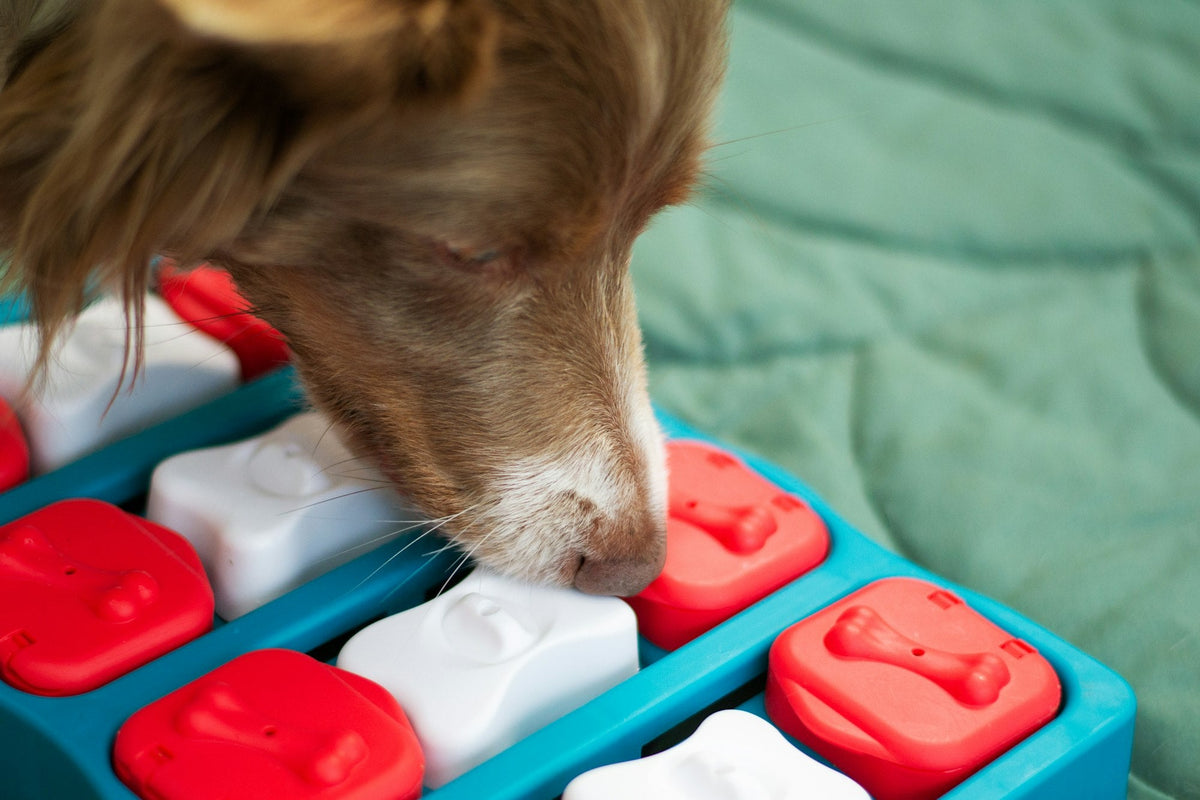
- Food puzzles and mental stimulation
- New places to explore together
- Predictable routines and a comfortable bed
- Regular vet check-ups
Capture the happy moments
The play bow on the beach, the sprawl on the sofa, the zoomies after a bath — these are the ordinary moments you’ll want to remember most. Take the photo, and write one line about what happened. Our ideas for remembering your pet while they’re still here make that easy.
FAQ
Do dogs smile when they’re happy?
Many dogs show a relaxed, open-mouthed expression when content that people describe as a smile. Context matters: check that the body is loose too.
Does a wagging tail always mean a happy dog?
No. Dogs also wag when aroused, unsure or tense. A loose, sweeping wag with a relaxed body is the happy version; a stiff, high, fast wag can mean tension.
Why does my dog sigh?
A sigh while settling down with half-closed eyes usually signals contentment. A sigh with open eyes while watching you may be mild disappointment that nothing is happening.
How can I tell if my dog is happy or sad?
Compare with their normal. A happy dog is engaged, eats well and plays; a low dog withdraws, sleeps more and loses interest. If you see a lasting change, read why is my dog sad? and talk to your vet.
Related reading
Sources
- RSPCA — Understanding your dog’s body language
- American Kennel Club — How to Read Dog Body Language
- Hill’s Pet Nutrition — How Much Should My Dog Sleep Per Day?