
Pet Journaling
How to Write Your Pet’s Adoption Story: Facts, Photos and Prompts
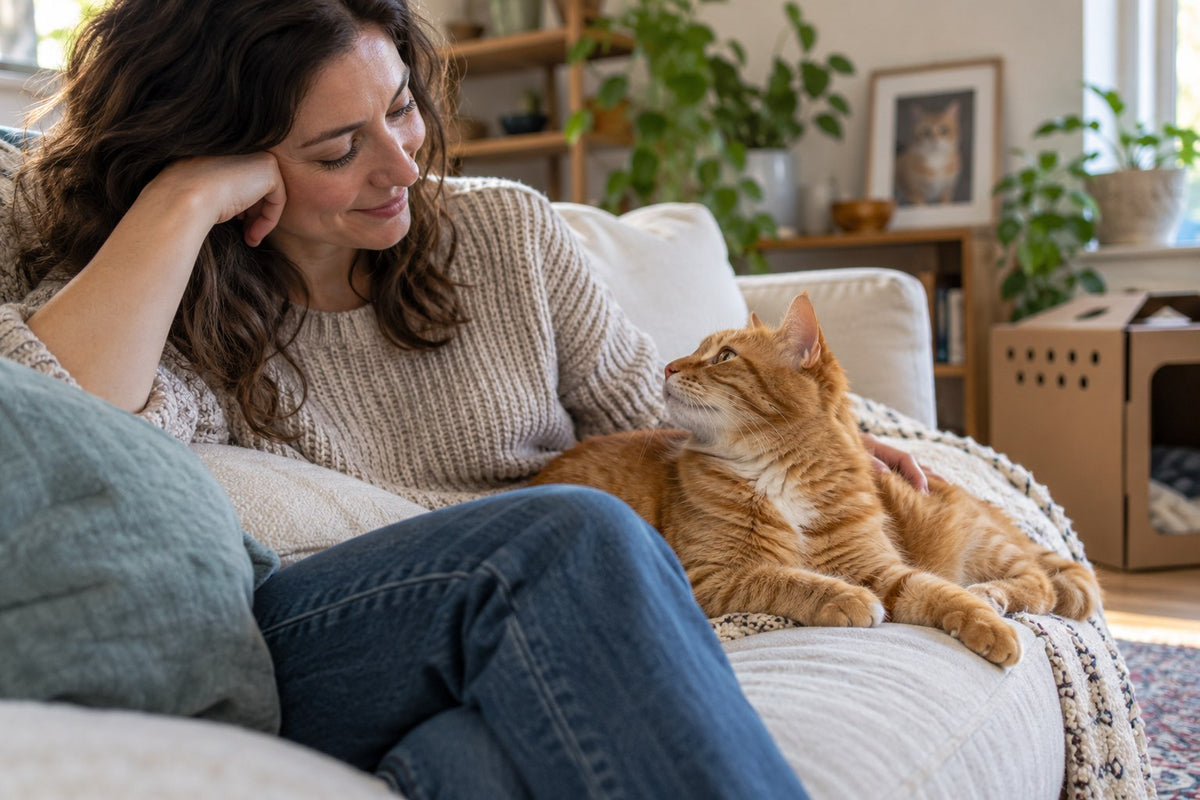
A pet adoption story can describe how your pet joined your life, what you prepared and the first ordinary moments you remember together. Keep known facts separate from uncertain background information. You do not need a dramatic rescue narrative to make the story meaningful.
Start with a short account you can verify. Add personal recollections around it rather than filling gaps with assumptions about what your pet experienced before you met.
Gather a small set of materials
Look for the first photograph you took, the date your pet came home, a message or note you saved and one early household picture. Keep important ownership and veterinary records separately; a memory page is not their secure storage location.
If another person or an organization owns a photograph, ask permission before reproducing it. Publicly visible does not automatically mean you may copy it into a shared publication.
Use a five-part story outline
1. How the connection began
Describe how you first learned about your pet. Write your own experience: a conversation, a listing you saw or a visit you remember. Avoid presenting another person’s account as something you witnessed.
2. What you knew at the time
List a few relevant facts you were given, identifying uncertain information honestly. You might know an adoption date but only an estimated age. An unknown early history can remain unknown.
3. What you prepared
Write about practical arrangements: the resting area, household conversations or the route home. Describe these as your recollections, not as a complete care checklist for other adopters.
4. The first moment you remember clearly
Choose a small scene. Perhaps it is the first photograph, an object you placed nearby or your own reaction on arriving home. A specific detail helps more than trying to summarize a whole adjustment period.
5. What you understand now
Describe a routine that developed later or a detail you notice when looking back. Keep hindsight distinct from what you knew on the first day. A memory book can show a relationship developing without claiming a pet followed a universal timeline.
Questions that bring back useful details
- Who was there when your pet came home?
- What does the first photograph show that you had forgotten?
- Which object or room appears in several early pictures?
- What did you write or tell someone at the time?
- Which familiar routine developed gradually?
- What would you want a future reader to know about that period?
You do not need to answer every question. Choose the ones supported by your own memory or records. It is better to leave a detail out than turn a guess into a confident account.
Build a short photo sequence
Use one image of the arrival period, one of a familiar early setting and one recent photograph. The sequence can show the passage of time without matching poses.
Caption each image with an approximate date and one fact. If pictures come from different days, say so. Avoid arranging them as a continuous “first day” sequence when that is not what they show.
Protect privacy when sharing the story
Remove home addresses, booking or adoption reference numbers and private contact information from document photographs. Ask permission before naming other people or including children’s images.
Keep a fuller private version if you want details that do not belong online. You can share the part about your relationship without publishing another person’s circumstances or a sensitive account you cannot verify.
Make the story part of an ongoing book
An adoption page is an introduction, not a demand to explain every later memory through the beginning. Add everyday routines, photographs and new experiences as their own stories.
The Your Pet Memory book provides guided photo-and-story pages if you prefer prompts. A plain document or scrapbook can use this outline too. Your own specific details give the page its value.
Frequently asked questions
What if I do not know my pet’s early history?
Begin with the part you know: how they joined your household. Label estimates and leave unknown details out instead of inventing a background.
Can I write about an adult adopted pet?
Yes. The adoption date and your shared life are meaningful even when a birth date or earlier history is unavailable.
Should I include adoption paperwork in the book?
Keep essential originals in an appropriate secure location. If a document belongs in a personal story, consider a redacted copy and check the privacy of everyone named.
Does the story need a dramatic ending?
No. An honest account of a small beginning is enough. You can end with a familiar routine rather than a sweeping claim about what adoption means for everyone.
Related guides


