Pet Memories
The Ultimate Pet Bucket List: 60 Ideas for Dogs and Cats
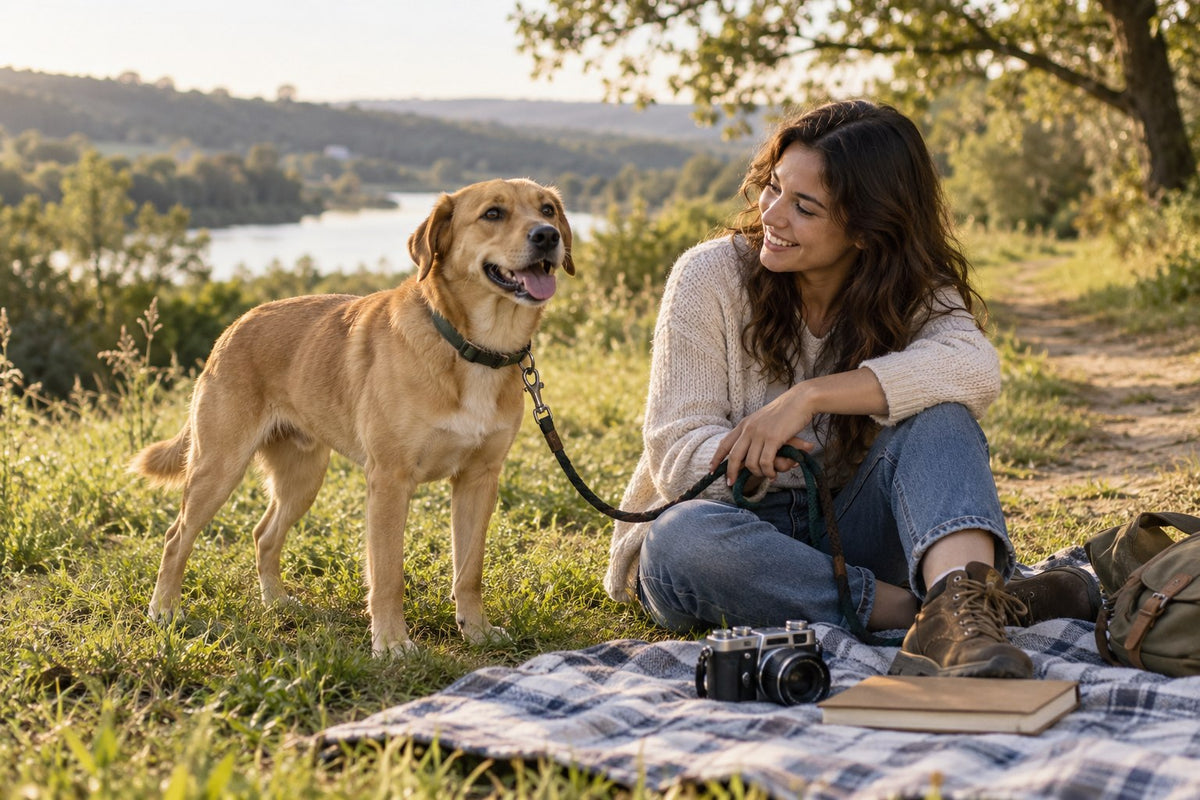
A pet bucket list works best when it starts with the animal beside you. A dog who enjoys a quiet sniffing walk and a cat who loves the afternoon window can both have a rich list of experiences. Neither needs to become an adventurous version of somebody else's pet.
This guide offers 60 ideas and a way to choose between them. It covers ordinary days, small outings, creative projects and traditions worth repeating. The aim is to make more enjoyable moments and remember what happened, rather than finish a challenge by a deadline.
Make a list for your pet, not for a photograph
Write down three things your pet already chooses: a place, an activity and a person or routine. Those preferences are your starting evidence. If your dog chooses the shaded path over the busy square, build around quiet exploration. If your cat retreats when visitors arrive, a private home celebration is more appropriate than a party.
Use three labels for possible activities: familiar, small variation and ask first. Familiar experiences can go straight on the list. A small variation might be the same walk at a different quiet time. Ask first includes travel, physically demanding activities, new foods or anything affected by a health condition. Discuss those with your veterinarian or an appropriate qualified professional.
Decide what success looks like before you begin. It could be five relaxed minutes together, an interesting sniff or a photo of a familiar habit. Ending early is a successful decision when it protects your pet's comfort. A bucket list is an invitation, not a training test or a treatment plan.
60 adaptable pet bucket list ideas
These ideas are suggestions rather than instructions to introduce unfamiliar exercise, food or handling. Choose the versions your pet already enjoys. Keep toys and materials appropriate for their size and supervise activities involving objects they could chew or swallow.
Everyday moments worth noticing
- Photograph the greeting that happens every morning in the same familiar place.
- Spend a quiet afternoon together without arranging a special activity or pose.
- Record a short video of a favorite routine, including its ordinary sounds.
- Draw a simple map of your home and mark your pet's chosen resting spots.
- Write the story behind one nickname and ask another household member for theirs.
- Photograph a much-loved toy and explain how it became the favorite.
- Notice which window view holds your pet's attention and describe what is outside.
- Keep a one-day diary of small moments, from breakfast to the evening settle.
- Take a relaxed portrait beside the person your pet naturally seeks out.
- List five tiny habits a visitor would probably never notice.
Dog adventures with room to adapt
- Try a different quiet section of a familiar walking route and follow their pace.
- Pause at an allowed green space where there is room to observe from a distance.
- Plan a short picnic with water, shade and your dog's familiar comfortable spot.
- Revisit a favorite place at a time when it is usually less crowded.
- Take a photo at the same local landmark in two different seasons.
- Practice a familiar simple cue in a comfortable new location, without an audience.
- Visit an explicitly dog-welcoming café only if your dog enjoys that environment.
- Arrange a calm visit with a familiar person who understands your dog's boundaries.
- Explore a new scent on a safe, permitted path without measuring the distance.
- Choose a short outing with a clear route home if the plan stops being enjoyable.
For a larger dog-specific menu, browse our 100 things to do with your dog. It separates activity ideas from the pressure to do everything.
Cat experiences at home
- Photograph your cat choosing between two familiar resting places.
- Offer a supervised play session with a toy your cat already likes.
- Clear a safe view at a securely screened or closed window they already use.
- Place a familiar blanket in a quiet permitted spot and see whether they choose it.
- Document a favorite hiding place without reaching in or disturbing the cat.
- Take a portrait from floor level while your cat moves freely through the room.
- Create a simple cardboard retreat after removing tape, staples and loose handles.
- Sit nearby during a comfortable routine and let the cat decide whether to approach.
- Make a photo sequence of a familiar toy being watched, approached and investigated.
- Record the story of the first time your cat chose to sit beside you.
Outdoor activities are not a requirement for cats. For more home-based ideas, use 50 things to do with your cat.
Photographs that keep a bigger story
- Photograph your pet's favorite place when it is empty, then when they occupy it.
- Take a close detail of a familiar feature without intrusive handling.
- Capture your pet at eye level in soft natural light.
- Ask a household member to photograph an ordinary moment you share together.
- Recreate an early photo loosely, allowing your pet to choose a different position.
- Keep one imperfect picture because it contains a moment you care about.
- Make a three-photo sequence showing a small experience before, during and after.
- Photograph an object associated with a story: a lead, a blanket or an old tag.
- Choose one photo each month and write a sentence before the details fade.
- Record a short video of a characteristic sound you cannot capture in a still image.
Seasons and family traditions
- Notice the first local sign of a new season on a familiar route or window view.
- Take a relaxed family photo in the same place once a year.
- Celebrate a birthday with one preferred activity rather than a packed schedule.
- Mark an adoption anniversary with a story of how everyday life has changed.
- Enjoy a quiet holiday evening away from busy doorways or loud celebrations.
- Create a seasonal corner using objects your pet cannot chew or knock down.
- Send a friend a photo and a short story instead of a generic greeting.
- Repeat an enjoyable ritual from last year and note what is different now.
- Make an indoor alternative for a weather-dependent tradition before you need it.
- Ask each person in the household to contribute one memory from the year.
Keepsakes and future chapters
- Write a letter describing your pet as they are today, without predicting the future.
- Put a labeled photograph and a story together in a small memory box.
- Save an original voice recording alongside a written explanation of its context.
- Make a short timeline of the moments you can date reliably.
- Create a page about your pet's favorite people and the roles they play.
- Tell the story of one ordinary outing from your own perspective.
- Keep a list of experiences your pet did not enjoy so you can plan more thoughtfully.
- Make a backup of a memory project and check that you can open it.
- Choose three gentle ideas for the next season, leaving the rest optional.
- Look back at a completed page and decide which small experience deserves repeating.
Turn 60 possibilities into a realistic monthly plan
Choose three items: one familiar pleasure, one small variation and one recording project. For example, a dog family might choose a favorite park bench, a short new path and a video of the welcome-home routine. A cat family might choose a known toy, a safe cardboard retreat and a photo of the afternoon sleeping place.
Write the practical limits beside each idea: suitable weather, quiet time, supplies and a way to stop. Keep the list somewhere convenient rather than hidden in a complicated planning app. After a month, retain what worked and replace ideas that no longer fit. There is no need to make up for skipped activities.
Keep one memory after each experience
Use a short record: date, place, who joined you, what your pet actually did and one detail you would otherwise forget. Avoid guessing that your pet felt grateful or understood an occasion. Describe what you observed: they approached the blanket, watched the water, chose the familiar toy or settled beside you.
If you need help moving beyond a caption, our guide to turning pet photos into stories includes worked examples. One useful paragraph can preserve more than twenty unlabeled pictures.
Frequently asked questions
Is a pet bucket list only for an older or ill pet?
No. It can begin at any stage of life. When a pet has a health condition, the list should follow their veterinary care plan and current comfort. A living-memory list for a young pet can focus on ordinary routines without implying that time is running out.
Can a cat have a bucket list?
Yes, but it should reflect the individual cat. Home routines, familiar play, chosen resting places and quiet shared time are valid experiences. Do not make travel, harness walking or meeting strangers a requirement.
How many activities should we finish?
As many as fit your pet and your life. Three repeated favorites can matter more than sixty unfamiliar events. Keep the list flexible and judge it by the quality of the experience.
A place for the stories you create
Choose one comfortable idea this week and keep its story. If you would like a ready-made structure, Your Pet Memory's interactive pet journal combines 100 guided activities with photo frames, memory-writing prompts, travel and seasonal sections, plus a printable PDF. You can start with one page; finishing every activity is optional.
Find more practical guides in The Pet Memory Journal.