Dog Care
Puppy Potty Training Schedule: How Long It Takes, by Age
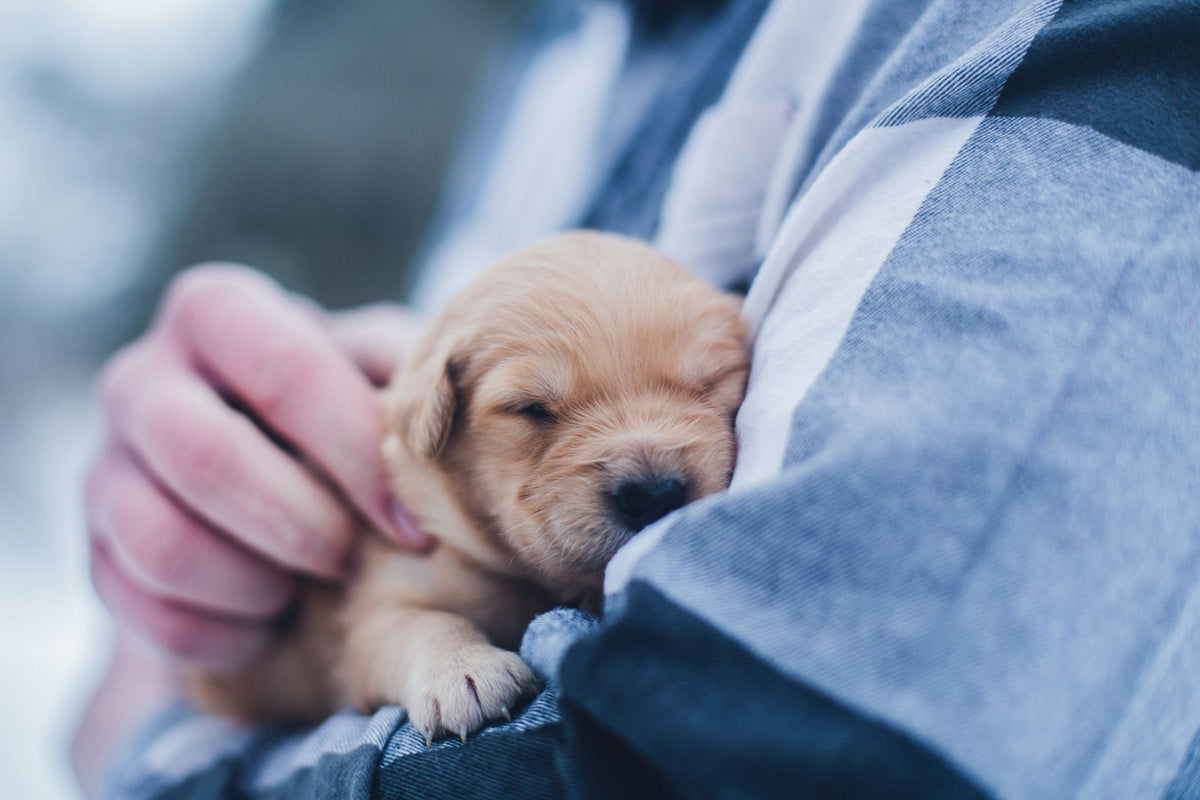
How long does it take to potty train a puppy? Most puppies are reliable most of the time by around 4 to 6 months of age when training starts as soon as they come home, though some take longer and the odd accident can happen up to a year. Success comes from a predictable schedule, lots of trips outside and rewarding the right spot every time.
How long can a puppy hold it?
A widely used rule from the American Kennel Club: a puppy can hold it for about their age in months plus one, in hours. Treat it as a maximum, not a target.
| Puppy age | Maximum hours between breaks | Realistic daytime gap |
|---|---|---|
| 8 weeks (2 months) | About 3 | Every 1–2 hours, plus after every meal, nap and play |
| 12 weeks (3 months) | About 4 | Every 2–3 hours |
| 16 weeks (4 months) | About 5 | Every 3–4 hours |
| 5 months | About 6 | Every 4 hours |
| 6 months and up | About 7–8 | Every 4–6 hours |
Sample puppy potty training schedule
Adjust the times to your day. The key is consistency.
- First thing on waking: straight outside, before anything else.
- Breakfast, then outside within 5–30 minutes.
- After every nap: outside as soon as they wake.
- During and after play: take a break every 20–30 minutes of active play.
- Midday meal, then outside.
- Every 1–4 hours in between, depending on age (table above).
- Evening meal at least 2 hours before bed, then outside.
- Last thing at night: a calm final trip out.
- Overnight: young puppies usually need one quiet trip out. Keep it boring: no play, straight back to bed.
Feed young puppies 3–4 meals a day at the same times so their toilet timing becomes predictable.
How to potty train a puppy, step by step
- Pick one spot outside and use the same door and route each time.
- Stay with them and stay quiet until they go.
- Reward within a couple of seconds with a treat and praise, right there, not when back indoors.
- Add a cue such as "go potty" just as they start, so it becomes a signal over time.
- Supervise indoors or use a crate, playpen or lead so accidents can't happen unseen.
- Watch for signs like sniffing, circling, whining or heading to the door, and go out immediately.
Using a crate for house training
Most dogs avoid soiling where they sleep, so a crate helps when you can't watch your puppy. Choose a crate just big enough to stand, turn and lie down in; use a divider for a growing puppy. Make it a happy place with meals and chews, never punishment, and don't leave a young puppy in it longer than they can hold it.
What to do about accidents
- Caught in the act: calmly interrupt and carry them outside. Reward if they finish there.
- Found later: just clean it. Punishing after the fact doesn't teach anything and can make puppies hide to go.
- Clean with an enzyme cleaner to remove the smell that draws them back.
- Go back a step: more frequent trips and closer supervision for a week.
Ask your vet if a puppy that was doing well suddenly has lots of accidents, strains, drinks much more or has blood in the urine, as a urinary infection or other problem may be the cause.
Frequently asked questions
How long does it take to potty train a puppy?
Most puppies are reliable most of the time by around 4 to 6 months when training starts early. Some take longer, and occasional accidents can happen up to about a year.
How often should I take my puppy out?
Young puppies need to go out every 1 to 2 hours during the day, plus after waking, eating, drinking and playing. Use the age in months plus one rule as a maximum gap.
Should I use puppy pads?
Pads can help if you live high up or can't get outside often, but they can make outdoor training slower. If you use them, move them gradually toward the door and then outside.
Can an 8 week old puppy hold it overnight?
Many 8-week-old puppies can't hold it all night. Plan one quiet trip outside overnight for the first few weeks.
Why does my puppy pee inside right after coming in?
Usually they got distracted outside and didn't finish. Stay out longer, keep it boring, and reward the moment they go.
Sources
Guidance follows the American Kennel Club's puppy potty training timeline and how to potty train a puppy. This article is general information, not veterinary or behaviour advice.
They're only this small once. Start their story today.
The first night home, the first time they ring the bell at the door, the first big walk: puppyhood flies by. Your Pet Memory gives you 100 simple things to do together, each with a page for a photo and the story behind it. Easy to fill in and worth every cent.