Pet Memories
Your Puppy’s First Year: Month-by-Month Timeline (and What to Record)
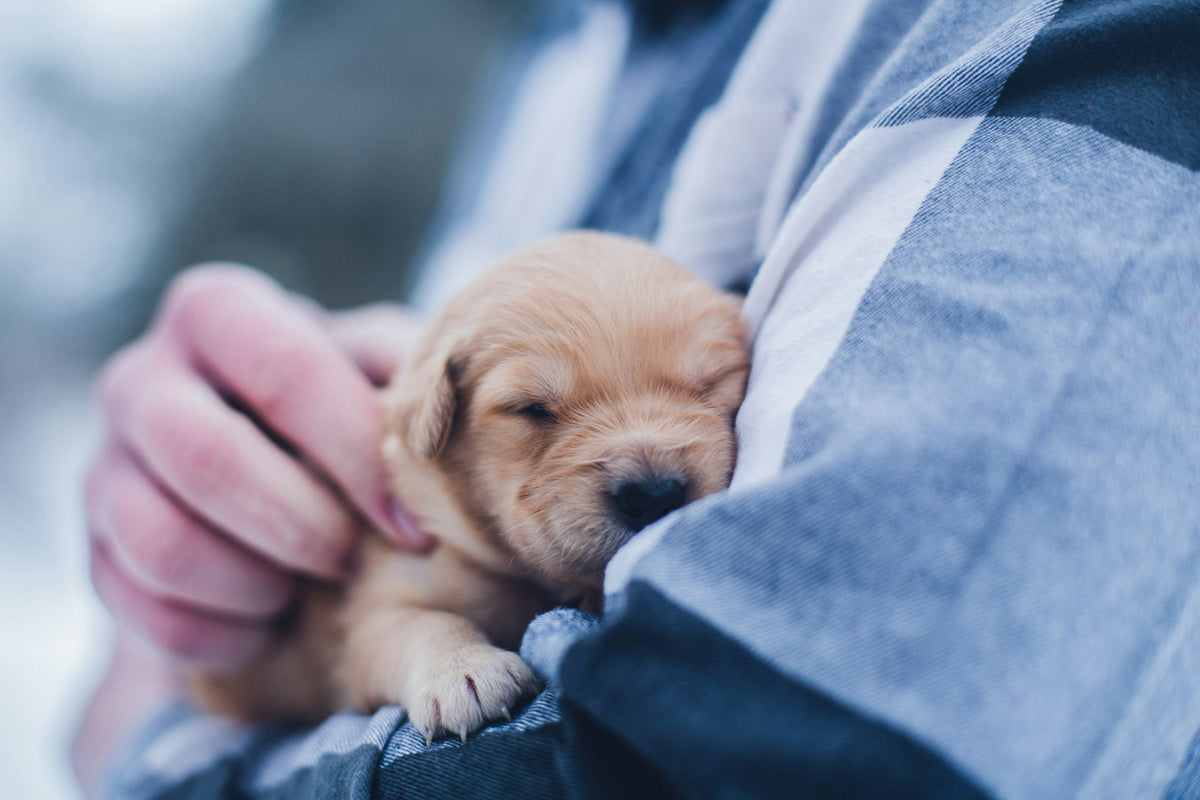
Quick answer: A puppy’s first year moves fast. Most puppies come home at around 8 weeks, go through a crucial socialization window in the first three months, learn basic manners and house training from roughly 2–6 months, hit adolescence somewhere around 6–12 months, and reach their first birthday as young adults (larger breeds keep maturing for longer). Your veterinarian will set the schedule for vaccinations, parasite care and neutering advice.
Every month of the first year brings a new version of your puppy — and every one of them is gone faster than you expect. This timeline helps you know what’s coming, and what to save before it passes.
Puppy first-year timeline
| Age | What’s happening | What to record |
|---|---|---|
| 8–10 weeks | Homecoming, first vet visit, starting house training, lots of sleep | Homecoming day, first photo at home, the name story, first-night notes, weight |
| 10–12 weeks | Socialization in full swing; curious, wobbly, sometimes nippy | New people, sounds and places met; first car ride; favorite toy |
| 3 months | Learning name, sit, simple recall; puppy classes often start | First trick, first class, paw print |
| 4 months | Teething begins; growth spurt | The chewing disasters (with a sense of humor), side-by-side size photo with the same toy |
| 5–6 months | Adult teeth coming in; more independence; longer outings as advised by your vet | First beach, park or trail; first friend dog |
| 6–9 months | Adolescence: testing boundaries, selective hearing, bursts of energy | The “teenager” moments, training wins, half-birthday photo |
| 9–12 months | Settling into adult routines; small breeds near adult size | Favorite walk, best habits, funniest quirk |
| 12 months | First birthday — many dogs still maturing, especially large breeds | Birthday photo with the same toy as week one, a letter to your dog |
Every puppy develops at their own pace, and breed size makes a big difference. Your vet is the best guide for your puppy.
The most important window: socialization
The American Veterinary Society of Animal Behavior (AVSAB) describes the first three months of life as the primary and most important period for puppy socialization — when puppies most readily learn that new people, animals, sounds, surfaces and places are safe. AVSAB encourages carefully managed socialization during this time, alongside veterinary guidance on vaccinations.
Gentle socialization ideas
- Meet calm, friendly people of different ages, wearing hats, glasses and coats
- Hear everyday sounds at a low volume: vacuum, doorbell, traffic
- Walk on grass, tiles, gravel and carpet
- Short car rides that end somewhere pleasant
- Well-run puppy classes with vaccinated puppies
- Handling practice: paws, ears, mouth — with treats
Go at your puppy’s pace. Lots of short, positive experiences beat one overwhelming outing.
Sleep, play and exercise
The AKC notes puppies usually sleep around 18–20 hours a day; that sleep supports their growing brain and body. See how many hours dogs sleep. Exercise should be introduced gradually while joints develop — short explore-and-sniff outings and gentle play rather than long runs. Our guide to how often to walk your dog covers puppies too.
Health checkpoints (ask your vet)
- Vaccination schedule and boosters
- Parasite prevention (fleas, ticks, worms)
- Microchipping and ID tags
- Spay/neuter timing for your puppy’s breed and size
- Diet and feeding changes as they grow
- Dental care habits
Schedules differ by country, region and lifestyle, so follow your veterinarian’s plan.
What to put in a puppy’s first-year book
People search for a “puppy’s first year book” for a reason: this year changes so quickly. Whether you use a journal, an album or a guided book, include:
- Homecoming page: date, where they came from, first photo, why you chose them
- The name story and all the nicknames that followed
- Monthly growth photo next to the same toy or blanket
- Monthly weight (from vet visits)
- Firsts: first walk, first swim, first snow, first trick, first friend
- Paw print at 8 weeks and at 1 year
- Funny disasters — the shoe, the sock, the plant
- Favorite things: toy, treat, spot, person
- First birthday — see our birthday and Gotcha Day ideas
- A letter to your dog at the end of year one
Short on ideas for the writing? Try our pet journal prompts, and use our phone photography tips for the monthly photos.
Start the story from day one
If you’d like a ready-made place to keep it, Your Pet Memory is an interactive memory book of 100 things to do with your pet, with “meet my pet” pages, a frame for every photo, story prompts, monthly and seasonal pages, birthday and Gotcha Day pages, and a printable version for paper lovers. Starting it in your puppy’s first weeks means the whole story is there — not just the bits you remember later.
FAQ
When does a puppy stop being a puppy?
Many dogs are considered young adults around their first birthday, but larger breeds often keep developing physically and mentally for longer.
What is the hardest puppy age?
Many owners find adolescence (roughly 6–12 months) the most challenging, as puppies test boundaries. Consistent, reward-based training helps.
When should I start training my puppy?
From the day they come home — with short, gentle, reward-based sessions for name, toilet habits, sit and handling.
How do I make a puppy photo album?
Pick one photo per week or month, label each with the date and a line about what happened, and keep it in one place — digital or printed. See how to organize pet photos.
Related reading
Sources
- American Veterinary Society of Animal Behavior — Position Statement on Puppy Socialization (PDF)
- American Kennel Club — How Much Do Puppies Sleep?
- PDSA — Exercise for dogs