
Pet Journaling
Cat Daily Routine Journal: Record Ordinary Moments Without Overtracking
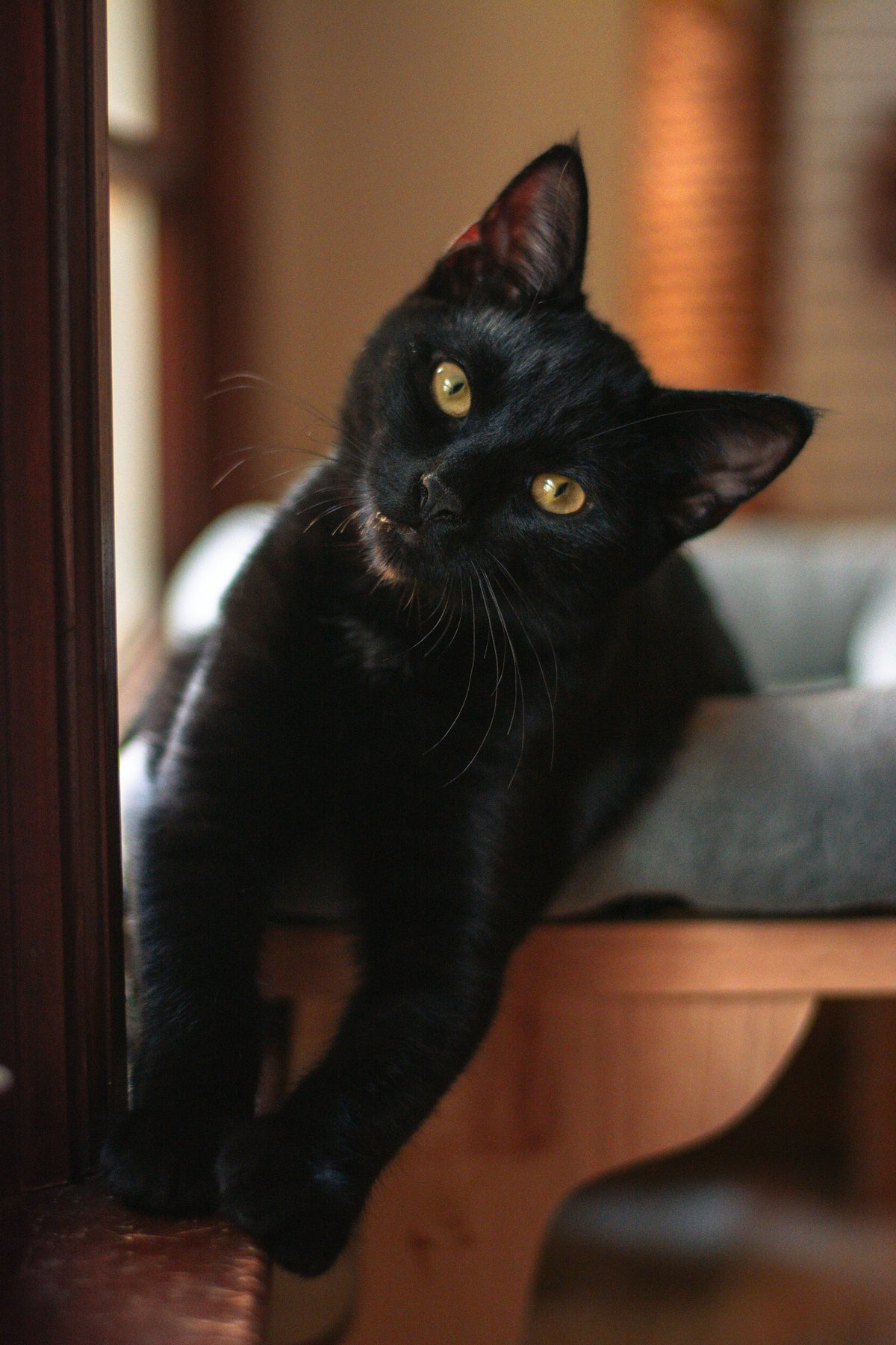
A cat daily routine journal can record a familiar place, a shared moment and one thing you noticed that day. It is a personal memory diary, not a requirement to monitor every movement or a tool for diagnosing health problems.
Choose a small format that suits your household. A date and two sentences may be more useful than a detailed template you rarely finish.
Start with three fields
- Date or approximate period.
- The place or routine you are writing about.
- One observation and why you want to remember it.
Add a photograph filename if there is a picture. An invented entry could be: “November afternoon — beside the green chair. I was reading while Nori rested nearby. I want to remember the winter light across the blanket.”
This is an example of a memory note, not an account of a real customer. The detail comes from the writer’s observation rather than an invented explanation of a cat’s thoughts.
Five kinds of entries
A familiar resting place
Write about the chair, shelf or bed you associate with your cat. Describe what the room looked like and what you were doing. You can photograph the place itself if a portrait would disturb your cat.
Time nearby
Record a quiet moment in the same room. A cat does not need to sit on your lap or accept handling for the relationship to belong in a journal.
An object with a story
Note a familiar blanket, box or toy and where it came from. Save a photograph instead of collecting every physical object. A short caption can explain why the item appears repeatedly in your archive.
A comfortable activity
Describe a voluntary activity that actually happened. Record what you offered and what you observed without requiring a particular response or repeating an activity solely for a photograph.
A household change
Write about a new room arrangement, a visitor or a change in your own schedule. Keep the entry factual and avoid using the journal to decide whether a behavior change is medically harmless.
Avoid interpreting every observation
It is useful to distinguish “rested beside the desk” from “was lonely all afternoon.” The first records something you saw; the second is an interpretation that a single observation cannot establish.
You can write about your own feelings freely. “I enjoyed having company while I worked” explains why the moment matters without claiming certainty about the cat’s internal state.
If you notice a sudden, unusual or persistent change, seek appropriate veterinary advice. Do not use a memory project as a reason to wait for more entries. A journal cannot rule out discomfort or illness.
Choose a routine you can sustain
You do not need to write every day despite the name. Keep an entry when a detail feels worth saving, or collect a few observations in a weekly page. The frequency should serve the memories rather than becoming a score.
Avoid spending so much time watching or photographing that you interrupt comfortable routines. A written note can preserve a moment without a camera. Missing photographs and ordinary days belong in the record too.
Organize notes into a useful collection
Use a consistent date format and simple headings. At the end of a period, choose a few entries that represent your shared life rather than copying everything into a finished book.
Group them by places, seasons or familiar objects if a calendar layout feels repetitive. Label uncertain dates honestly. Save the editable notes separately from any finished export or printed page.
The Your Pet Memory book includes a cat edition for photographs and stories. Your routine notes can provide personal context for those pages, or you can keep a notebook of your own. A memory book is not a clinical tracking service.
Keep private material out of a shared diary
Check photographs of screens, mail and household documents before publishing them. Remove addresses, children’s school information and regular schedules where appropriate. Ask permission before including other people’s photographs or recollections.
Keep essential care records in a separate appropriate location. A public diary should not become the only place where you store veterinary information or private account details.
Frequently asked questions
Do I have to write every day?
No. Selected entries can be enough. Use the habit in a way that remains enjoyable and manageable.
Can I journal about a cat who keeps their distance?
Yes. Familiar places and time in the same room can be meaningful without forcing contact.
Should I record every meal and sleep period?
Not for this memory template. If you need specific tracking for a care concern, ask your veterinarian what information would help.
Can a journal diagnose a behavior change?
No. It can preserve observations you may discuss with a professional, but it cannot establish a cause or rule out illness.
Related guides


