Dog Care
How Often Should I Walk My Dog? (And How Long Each Walk Should Be)
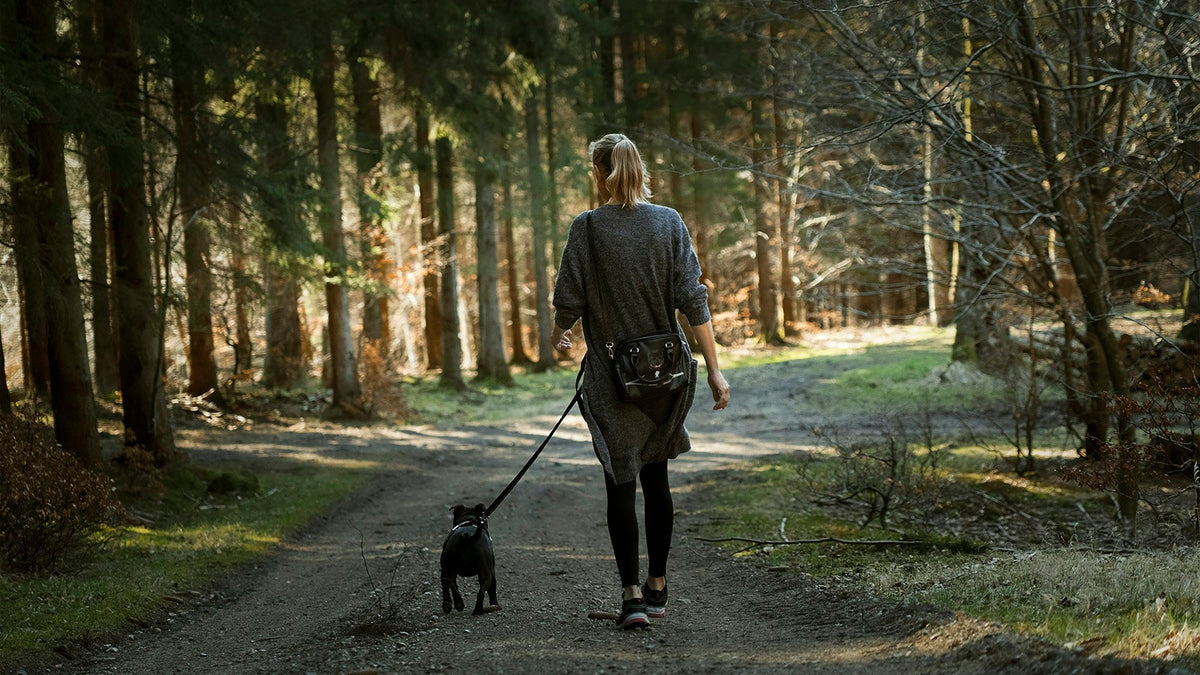
Quick answer: Most dogs need at least one to two walks a day, plus toilet breaks. Many breeds need one to two hours of exercise daily, and high-energy working breeds need considerably more; small, flat-faced, very young and older dogs often need shorter, gentler outings. Your veterinarian can tailor this to your dog’s breed, age, weight and health.
There isn’t one number that fits every dog. A young border collie and an elderly pug need very different days. Use this guide to find your dog’s sweet spot.
How many times a day should I walk my dog?
The UK veterinary charity PDSA advises that most dogs need at least one to two walks per day. Many owners split exercise into a longer walk and one or two shorter ones, with extra toilet trips in between. Toilet breaks don’t replace walks — a walk is also about sniffing, exploring and spending time together.
How long should I walk my dog?
PDSA notes that some breeds need a minimum of one to two hours of exercise a day, while working breeds need significantly more. As a general guide:
| Dog type | Typical daily needs (guide only) | Examples |
|---|---|---|
| High-energy working and sporting breeds | 2+ hours, including running and brain work | Border collie, Belgian Malinois, springer spaniel, Vizsla |
| Active medium and large breeds | About 1–2 hours | Labrador, golden retriever, boxer |
| Moderate-energy breeds | About 1 hour | Beagle, cocker spaniel, many mixed breeds |
| Small and toy breeds | Often under an hour, in shorter outings | Chihuahua, Maltese, Yorkshire terrier |
| Flat-faced (brachycephalic) breeds | Short, gentle walks; avoid heat | Pug, French bulldog, bulldog |
Always adjust for your individual dog and ask your vet if you’re unsure.
Puppies and senior dogs
Puppies
Puppies have bursts of energy but tire quickly, and their joints are still developing. PDSA recommends introducing exercise slowly. Short, frequent outings, lots of exploring and plenty of naps are better than long, repetitive walks. Your vet can advise for your puppy’s breed. Our puppy first-year timeline covers what to expect month by month.
Senior dogs
Older dogs usually need less exercise, but they still benefit from daily movement and new smells. Choose softer surfaces, shorter routes and a slower pace. Ideas in our senior dog bucket list.
Should I walk my dog every day?
For most healthy dogs, yes — daily walks support physical health, weight, mood and behavior. There may be exceptions: extreme heat, recovery from illness or surgery, or medical advice to rest. On those days, swap the walk for calm mental stimulation or indoor games.
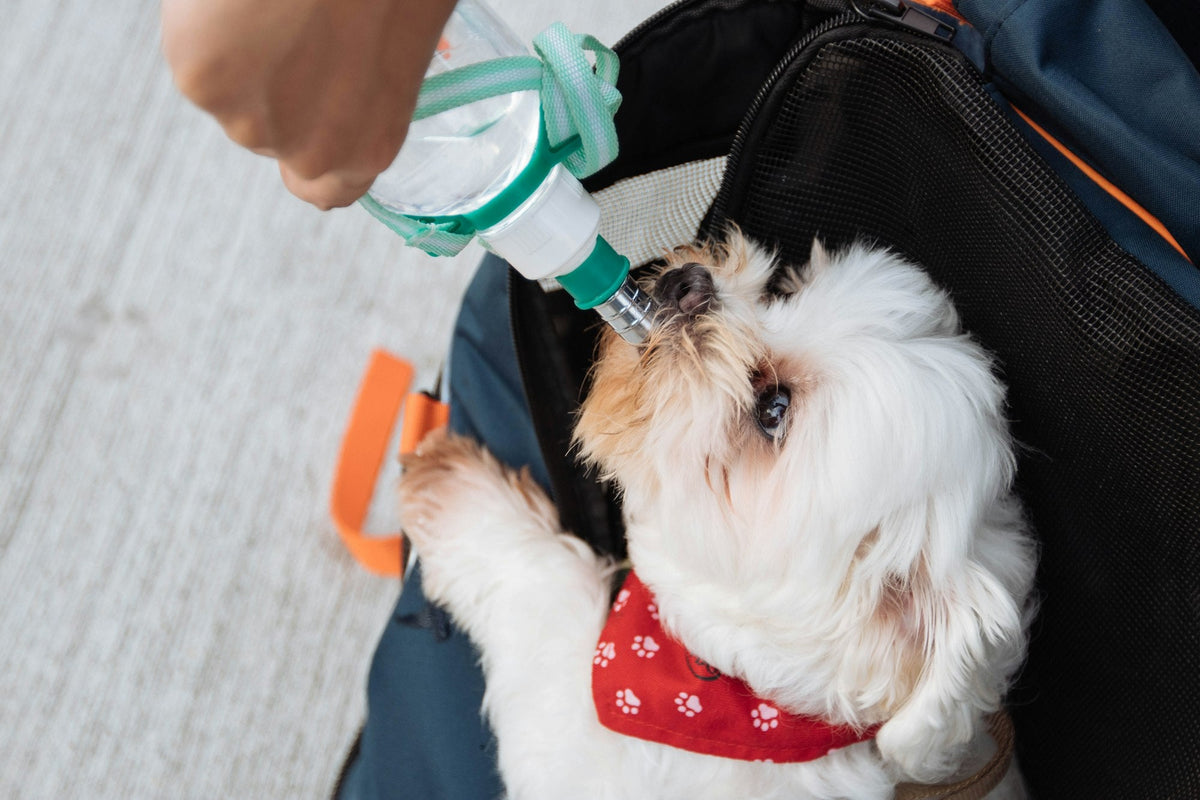
Hot weather: PDSA advises taking water on walks and exercising only in the cooler parts of the day. Test pavement with the back of your hand — if it’s too hot for you, it’s too hot for paws. Heatstroke is an emergency: if your dog is panting heavily, weak, wobbly or collapses, move them somewhere cool and contact a vet immediately.
Signs your dog needs more (or less) exercise
| Probably needs more | Might need less or a check-up |
|---|---|
| Restless, can’t settle in the evening | Lagging behind, sitting down on walks |
| Chewing, digging, barking | Stiffness or limping afterward |
| Pulling very hard at the start of every walk | Heavy panting or slow recovery |
| Gaining weight | Reluctance to go out at all |
A sudden reluctance to walk can be a sign of pain — check with your vet. For boredom signs, see is my dog bored?
How to make every walk count
- Let them sniff. Sniffing is mental exercise and helps dogs relax.
- Vary the route. New smells and sights matter more than distance.
- Add short training moments — a sit at the curb, a recall in a safe area.
- Use a well-fitted harness if your dog pulls or has a delicate neck.
- Bring water on longer or warmer walks.
- Put the phone away for part of the walk — or use it to take one great photo (see how to take good pictures of your dog).
Turn walks into adventures
The walks you remember are rarely the everyday loop. They’re the first beach, the misty morning trail, the walk in the first snow. Try a new place once a month: a lakeside path, a dog-friendly town, a beginner trail — our guide to hiking with dogs is a good next step. If you like a little structure, Your Pet Memory turns 100 shared experiences into pages you fill in with a photo and the story behind it.
FAQ
Is one walk a day enough?
For some small, older or low-energy dogs, one good walk plus toilet breaks and play can be enough. Most dogs do better with two or more outings.
How far should I walk my dog?
Time and quality matter more than distance. As a rough idea, a relaxed 30-minute walk might cover around 2–3 km (1.2–1.9 miles), less if your dog sniffs a lot — which is a good thing.
Is a big yard a substitute for walks?
Not really. Yards are great for play and toilet breaks, but walks provide new environments, smells and social experiences.
Can I walk my dog too much?
Yes, especially puppies, seniors, flat-faced breeds and dogs in heat. Watch for limping, stiffness and exhaustion, and build distance gradually.
Related reading
- Hiking with dogs: a beginner’s guide
- 100 things to do with your dog
- How much water should a dog drink?
Sources