Cat Behavior
13 Signs Your Cat Loves You (Even If They’re Not a Lap Cat)
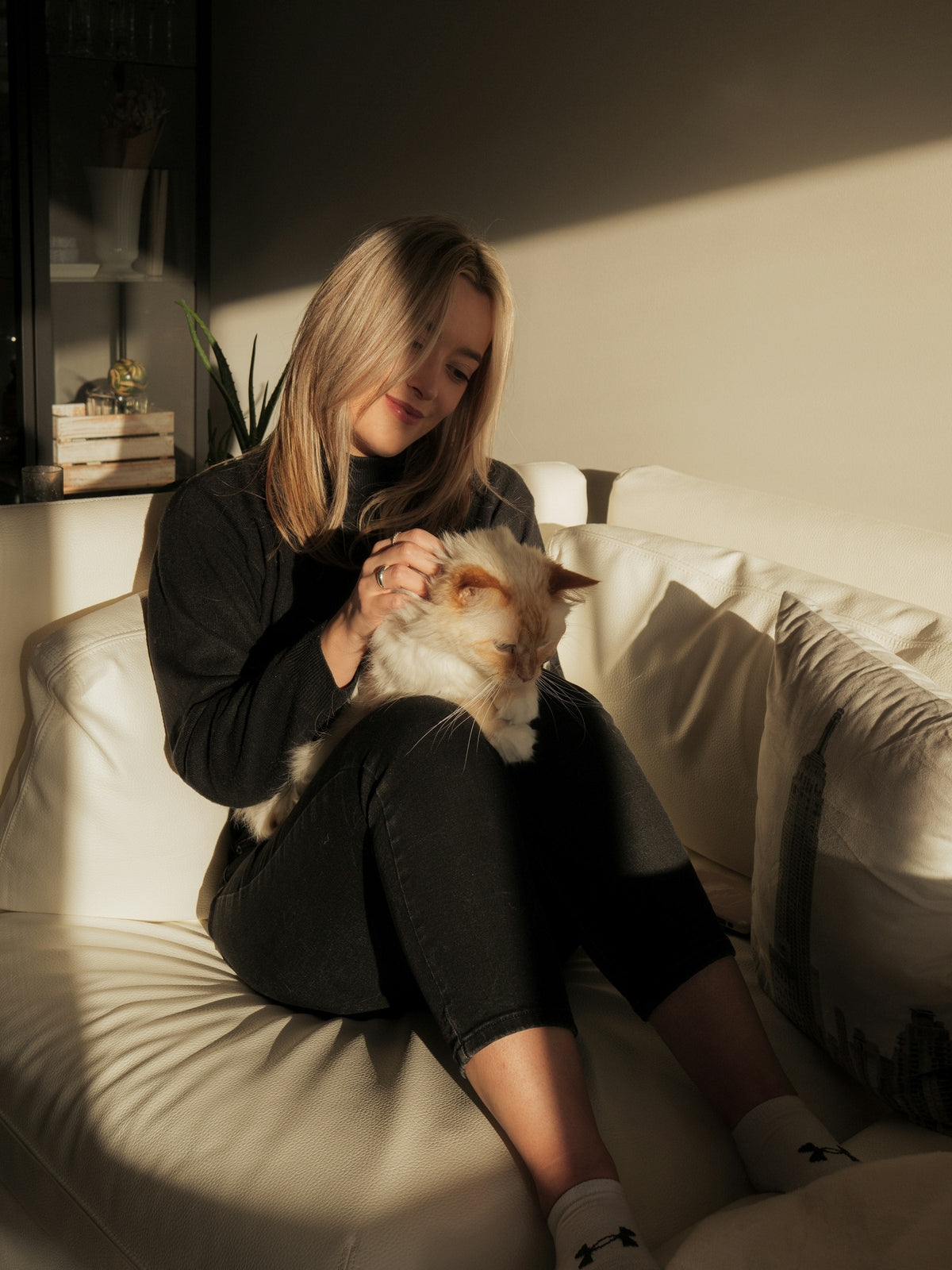
Quick answer: Cats show affection more quietly than dogs. Common signs your cat loves you include slow blinking at you, rubbing or head-bunting, greeting you with a raised tail, kneading, purring near you, sleeping close to you, following you, and showing you their belly. Research also shows many cats form secure attachments to their caregivers, much like dogs and human infants.
Cats have a reputation for being aloof. Most cat people know better. The love is there — it’s just written in a subtler language.
Do cats really love their owners?
Science says many of them form genuine bonds. A 2019 study from Oregon State University, published in Current Biology, found that around 65% of both kittens and adult cats showed a secure attachment to their caregiver — a rate similar to that seen in human infants. Cats, like dogs, can use their person as a source of security.
13 signs your cat loves you
- Slow blinking. Often called a “cat kiss.” Researchers at the Universities of Sussex and Portsmouth found that cats were more likely to slow blink back at people who slow blinked at them, and more likely to approach a stranger who did so. Try it: narrow your eyes like a relaxed smile, then close them for a second or two.
- Head bunting and cheek rubbing. Cats mark the people they feel close to with scent glands on their face.
- Tail held high. A vertical tail, sometimes with a little hook at the top, is a friendly greeting.
- Kneading. “Making biscuits” on your lap is a behavior that starts in kittenhood and is associated with comfort.
- Purring in your company. Usually contentment (though cats can also purr when stressed or unwell, so read it alongside body language).
- Showing you their belly. Exposing the belly is a sign of trust — not always an invitation to rub it.
- Sleeping near or on you. Cats are vulnerable when asleep. Choosing to sleep close to you is meaningful.
- Following you around. Many cats follow their people from room to room.
- Greeting you at the door. Sometimes with a chirp, a trill or a meow.
- Grooming you. A lick on the hand or hair is social bonding behavior.
- Talking to you. Cats meow mostly in their communication with people. See why cats meow so much.
- Bringing you “gifts.” Toys or (less charmingly) prey. It’s a natural behavior directed at their social group.
- Relaxing around you. Loose posture, soft eyes and stretching out in your presence show a cat who feels safe.
Signs your cat loves you the most
Cats often have a favorite person — usually the one who feeds them, plays with them, and respects their boundaries. Signs you’re the chosen one: they sleep near you rather than others, greet you first, and seek you out when they’re unsettled.
What if my cat isn’t affectionate?
Some cats are simply more independent, and early life experiences shape how social a cat is. A cat who sits in the same room, watches you, or naps nearby is still choosing your company. Never force contact — let your cat set the pace.
How to strengthen your bond with your cat
- Play every day with a wand toy — hunting games are some of the most satisfying interactions for cats.
- Let them initiate. Offer a hand to sniff, then stroke the cheeks and chin, where most cats enjoy it.
- Keep routines predictable. Meals, play and quiet time at regular times.
- Give them safe spaces — hiding spots and high perches. See why cats hide.
- Slow blink back. It’s a simple, evidence-based way to say hello.
- Try enrichment together. Browse 50 things to do with your cat.
Keep the little moments
The first time a shy cat chose your lap. The trill when you come home. Those are easy to forget and lovely to keep. Snap a photo and write down what happened — our cat photography ideas and pet journal prompts help.
FAQ
Do cats recognize their owners?
Yes. Cats recognize their people by voice, scent and appearance, and many respond to their own names.
Why does my cat sleep on me?
Warmth, comfort and trust. Sleeping on you means your cat feels safe with you.
Do cats get attached to one person?
Many do have a preferred person, but cats can bond with several family members.
Does purring always mean my cat is happy?
Usually, but not always. Cats can also purr when stressed or unwell. If purring comes with hiding, not eating or other changes, call your vet.
Related reading
Sources
- Vitale K. et al. (2019), Current Biology — Attachment bonds between domestic cats and humans (summary: ScienceDaily)
- Humphrey T. et al. (2020), Scientific Reports — The role of cat eye narrowing movements in cat–human communication
- International Cat Care — Making your home cat friendly