Cat Behavior
Why Is My Cat Hiding? Normal Reasons, Warning Signs and How to Help
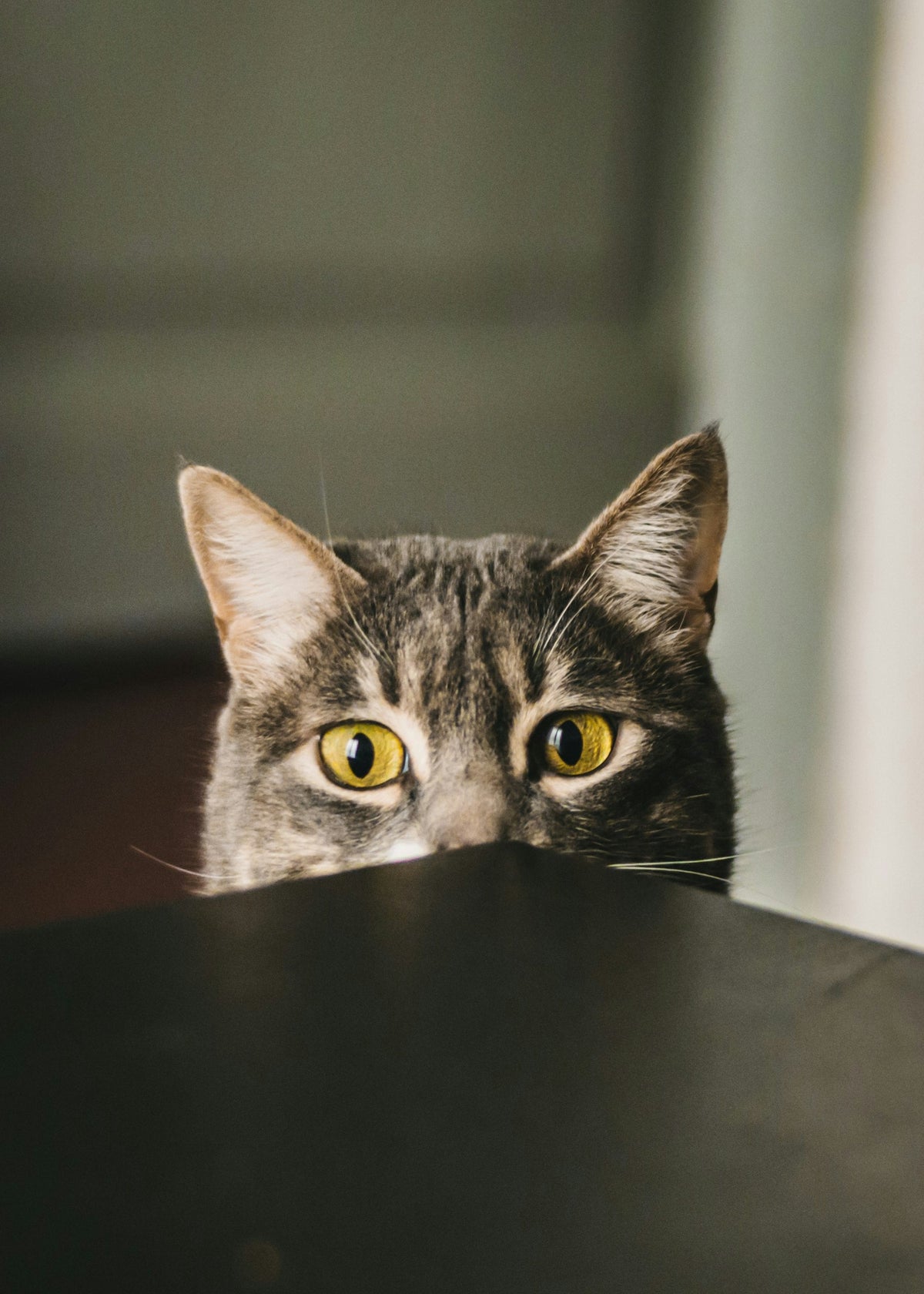
Quick answer: Hiding is a normal cat behavior — cats use hidden, enclosed spots to rest, feel safe and cope with stress such as visitors, noise, a move or a new pet. But because cats hide pain and illness well, a sudden change — a sociable cat who suddenly disappears, especially if they also eat less, groom less or change their litter habits — is a reason to call your veterinarian.
Every cat has a secret spot. The trick is knowing the difference between a cat taking quiet time and a cat telling you something is wrong.
Is it normal for cats to hide?
Yes. International Cat Care describes “taking time out from social demands” as an essential part of a cat’s everyday life, which is why secret hideaways matter. Cats are both predators and potential prey, and small, enclosed or high spaces let them rest without feeling exposed.
Common reasons cats hide
| Reason | Typical situation |
|---|---|
| Rest and sleep | Daytime naps in a closet, a box or under the bed — cats sleep 12–16 hours a day |
| Visitors | Hiding when people come over, especially strangers, children or loud guests |
| Noise | Fireworks, thunder, vacuum cleaners, building work |
| Change | Moving house, new furniture, a new baby, rearranged rooms |
| New animals | A new cat or dog, or a neighborhood cat at the window |
| A new home | A newly adopted cat may hide for days while they adjust |
| Temperature | Seeking a cool or warm spot |
| Pain or illness | A sudden change in hiding behavior, often with other signs |
Why does my cat hide under the bed?
It’s dark, quiet, enclosed and hard for anyone to reach — the ideal safe place. Occasional naps there are normal. Staying there all day, every day, when that isn’t normal for your cat, is worth paying attention to.
Why does my cat hide when people come over?
Unfamiliar people, smells and noise can feel threatening. Many cats prefer to watch from a distance or wait until things are quiet. Never pull a cat out to “meet” guests; let them choose.
Why does my cat hide under blankets?
Warmth, softness and darkness. Burrowing is usually just comfort-seeking.
When hiding can mean your cat is unwell
Cats are very good at masking discomfort. Banfield Pet Hospital highlights a sudden change — like a social cat disappearing for most of the day or spending long stretches under furniture or in closets — as a possible sign of illness or pain.
Contact your veterinarian if hiding comes with:
- eating or drinking less, or walking away from food
- litter box changes — straining, crying, frequent trips with little output, going outside the box
- vomiting or diarrhea
- less grooming, or a scruffy coat
- reluctance to jump, walk or be touched
- hiding that lasts more than a day or two and isn’t normal for your cat
Emergency: a cat (especially a male cat) who strains in the litter box and passes little or no urine needs to be seen by a vet urgently.
How to help a hiding cat
- Don’t force them out. Pulling a frightened cat from a hiding place increases fear.
- Provide good hiding spots on purpose. A covered bed, a cardboard box on its side, a cleared shelf or a cat tree with a cubby.
- Offer height. International Cat Care notes that cats feel safe resting and watching from high places.
- Keep resources close but separate. Food, water and a litter box near (not inside) the safe zone, especially for new or frightened cats.
- Keep things predictable. Regular meals and quiet routines help cats settle.
- Let them come to you. Sit quietly nearby, talk softly, and try a slow blink — more on that in our guide to signs your cat loves you.
- Use gentle play with a wand toy at the edge of the hiding place to build confidence. Our indoor activities for cats list has calm ideas.
New cat hiding
Start a newly adopted cat in one quiet room with everything they need. Hiding for the first few days is normal; let them explore the rest of the home when they’re ready.
After a move
Set up a “base camp” room with familiar bedding and items that smell of home. Expand their territory slowly.
FAQ
How long will a cat hide after moving?
It varies from a few hours to a couple of weeks. As long as your cat is eating, drinking and using the litter box, patience is usually all that’s needed. If they stop eating, call your vet.
Why is my cat hiding all of a sudden?
A sudden change can follow stress (visitors, noise, a new pet) or signal pain or illness. Look for other changes and contact your vet if you see any.
Do cats hide when they’re dying?
Cats who are very unwell often withdraw and hide. Any cat hiding while also not eating, weak or breathing differently needs prompt veterinary attention.
Why does my cat hide from me but not others?
Something may have startled them, or they may associate you with something unpleasant, like medication or the carrier. Rebuild trust with treats, play and quiet time on their terms.
Related reading
Sources
- International Cat Care — Making your home cat friendly
- Banfield Pet Hospital — How to tell if your cat is sick
- PetMD — Why Do Cats Sleep So Much?
This article is general information, not veterinary advice. If you’re worried about your cat, please contact your veterinarian.