Cat Behavior
Why Does My Cat Meow So Much? Common Reasons (Day and Night)
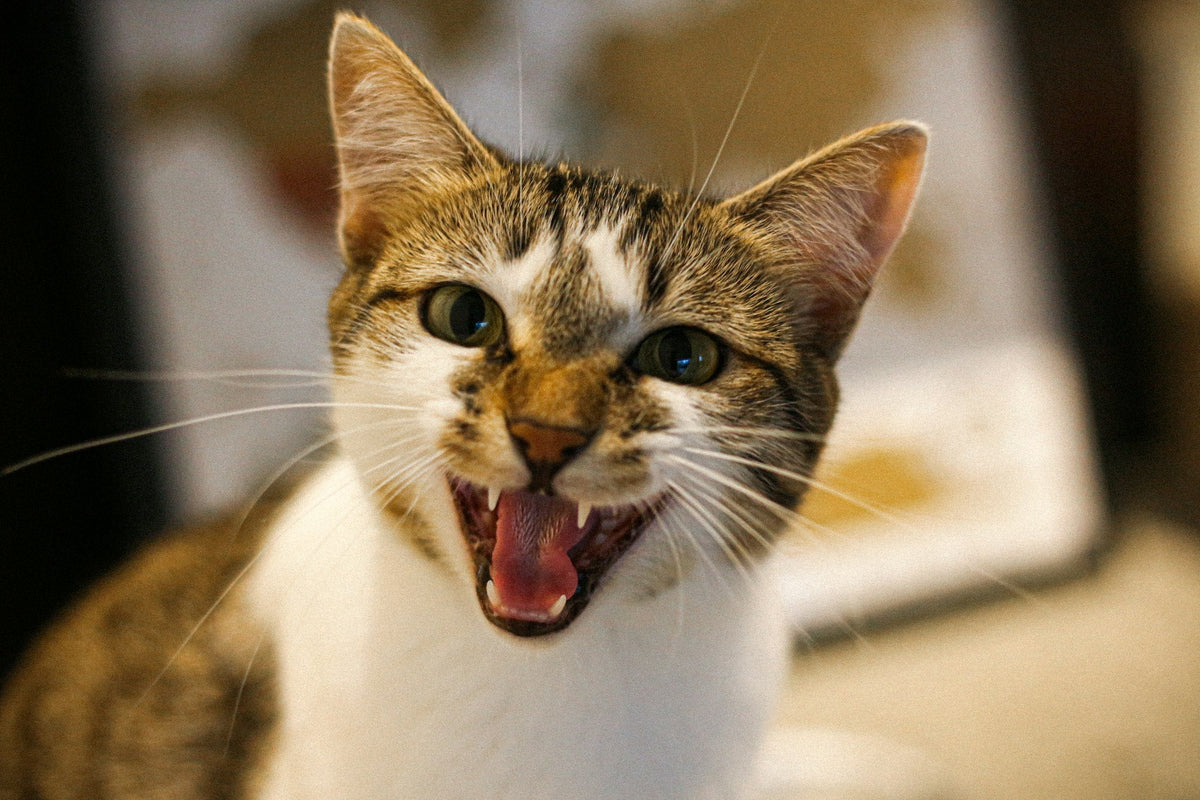
Quick answer: Cats meow to communicate with people — to greet you, ask for food, attention, play or access to a door. Unspayed or unneutered cats may yowl when looking for a mate, and older cats may vocalize more because of confusion or health problems. If the meowing is new, louder or constant, ask your veterinarian to rule out a medical cause before working on the behavior.
Some cats barely make a sound. Others narrate your entire day. Breed, personality and habit all play a part — but so does what the meow gets them.
8 reasons your cat meows so much
1. Saying hello
The ASPCA notes that many cats meow in greeting when you come home or walk into a room. This is simply social.
2. Asking for attention
Cats can meow to start an interaction — stroking, play or conversation. Cats left alone for long stretches may be especially talkative when you return.
3. Food
Meowing near mealtimes is extremely common, and it gets stronger every time it works.
4. Doors, windows and the outdoors
Let me in. Let me out. Let me see that bird. Doors are a classic meow trigger.
5. Boredom
An under-stimulated indoor cat may use their voice to make something happen. Daily play often reduces this a lot.
6. Looking for a mate
Female cats in heat yowl, and intact males respond. Spaying and neutering reduces this vocalizing.
7. Stress
A move, a new pet, visitors or changes in routine can make some cats more vocal.
8. Getting older or feeling unwell
The ASPCA lists hyperthyroidism, kidney disease and cognitive dysfunction among the medical conditions that can increase vocalizing, particularly in older cats. Disoriented senior cats may cry out at night.
See your vet if the meowing is new or comes with: weight loss, increased appetite or thirst, vomiting, litter box changes, crying in the litter box, confusion, hiding, or signs of pain. A cat straining in the litter box and producing little or no urine is an emergency.
Why does my cat meow at night?
Cats are crepuscular — most active around dawn and dusk — so they often have energy when you’re trying to sleep. Night-time meowing can also be about hunger, boredom, wanting company, or, in older cats, confusion.
What helps
- Play hard in the evening. A 10–15 minute wand-toy session that ends with a “catch.”
- Feed after play. A meal after the game mimics the natural hunt-eat-groom-sleep rhythm.
- Use a timed feeder for early breakfasts, so you’re no longer the alarm clock.
- Leave enrichment out — a window perch, a puzzle feeder, a few toys.
- Senior cats: a night light, easy access to the litter box and a vet check if they seem disoriented.
Why does my cat meow so much in the morning?
Usually breakfast. If you get up and feed them every time they meow, they’ve learned a reliable routine. A timed feeder and calmly waiting until they’re quiet before feeding can reset it.
Why does my cat meow at me?
Because you respond. It’s a compliment, in a way — your cat sees you as the person who gets things done.
How to reduce excessive meowing
- Rule out medical causes first, especially in older cats or if the meowing is new.
- Find the pattern. When, where and before what does your cat meow?
- Meet the need on a schedule. Regular meals, regular play.
- Reward quiet. Give attention, food or door access when your cat is quiet, not mid-meow. The ASPCA recommends this approach for attention-seeking meowing.
- Be patient. Behavior often gets louder briefly before it improves when it stops working.
What not to do
- Don’t shout, spray water or punish — it creates fear and rarely works long term.
- Don’t ignore a cat whose meowing could be a sign of pain or illness.
Enrichment that keeps cats busy
Many talkative cats are simply under-stimulated. Try puzzle feeders, window perches, cardboard boxes and short daily play sessions. Our lists of indoor activities for cats and things to do with your cat have plenty of calm ideas.
FAQ
Do some breeds meow more?
Yes. Some breeds, such as Siamese and other Oriental breeds, are known for being particularly vocal.
Why does my cat meow after eating?
Some cats meow after meals as a form of communication — asking for more, or simply chatting. If they seem hungry all the time, talk to your vet.
Why does my cat meow when I pet her?
Often it’s a happy, chatty response. If the meow sounds sharp or your cat flinches, they may be telling you an area is sore.
Should I meow back at my cat?
It’s harmless if your cat enjoys the interaction. Soft talking and slow blinks are good ways to communicate.
Related reading
Sources
- ASPCA — Meowing and Yowling
- ASPCA — Older Cats with Behavior Problems
- PetMD — Why Do Cats Sleep So Much?
This article is general information, not veterinary advice. If you’re worried about your cat, please contact your veterinarian.